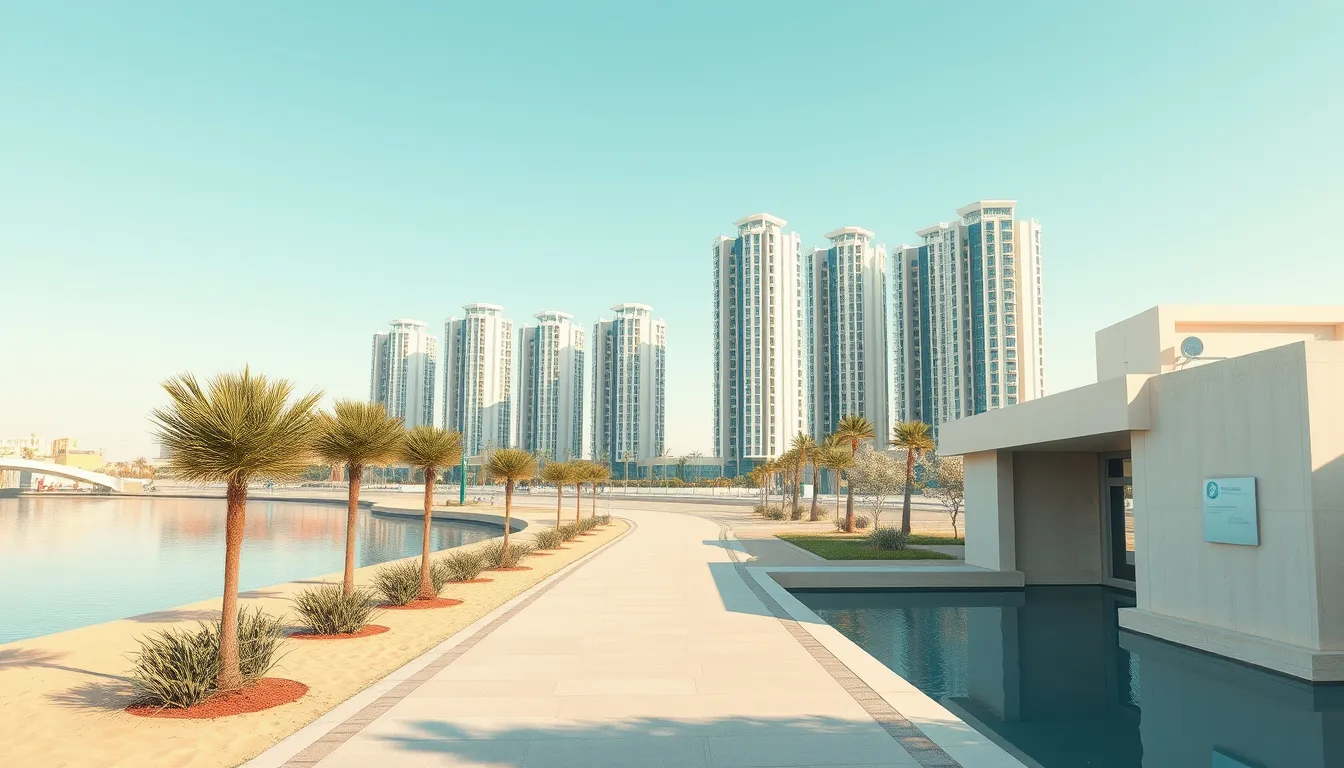
Dubai Creek Harbour: pros and cons of living here
Weigh Dubai Creek Harbour's waterfront appeal against your commute and full housing costs. What to check at a viewing, including the planned Blue Line.
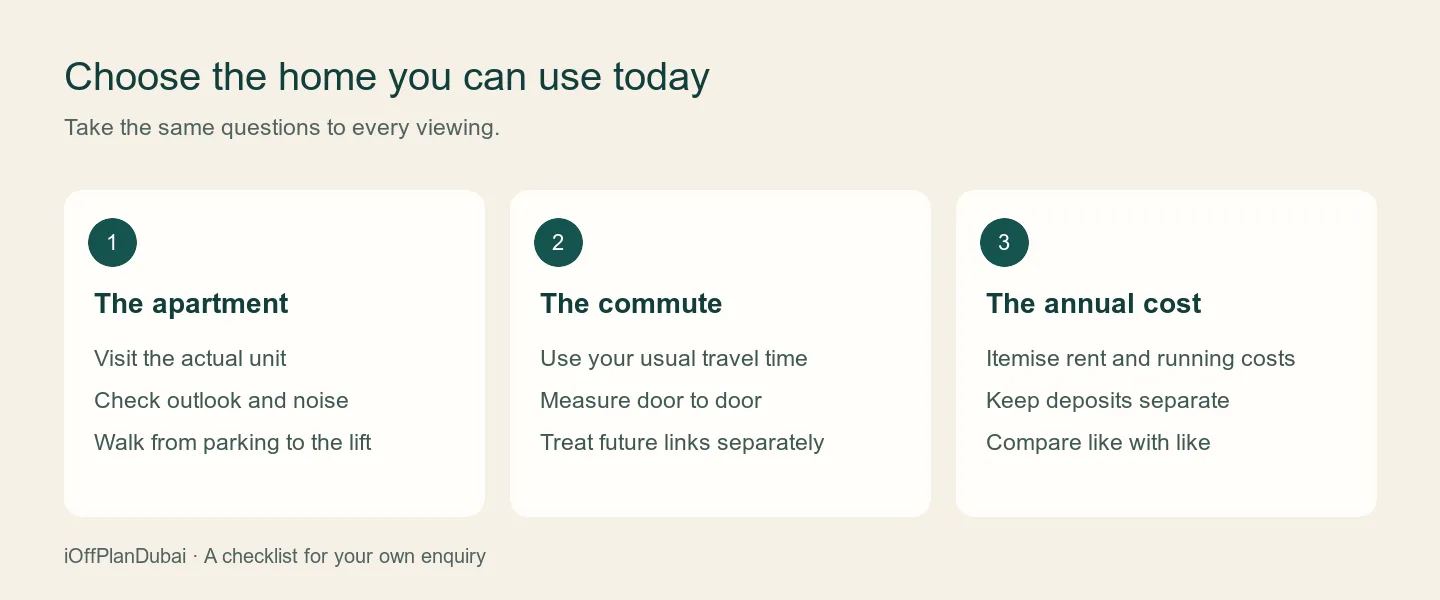
Dubai Creek Harbour is worth considering if you want a waterfront home and the journey from your chosen building works for you. Before choosing, test your commute and get the full annual bill for the apartment. Treat the planned Blue Line as a future benefit; choose a home you can use comfortably before it opens.
What are the main pros and cons?
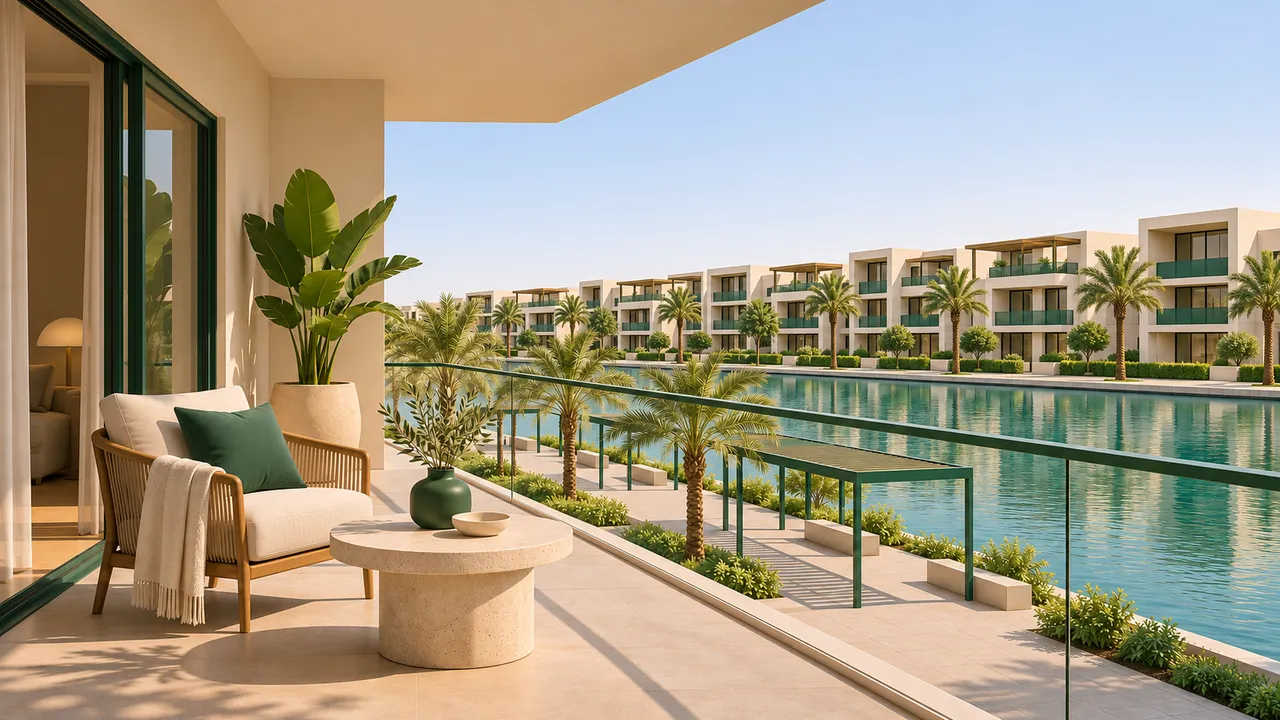
Emaar describes waterfront living, shops, dining and community facilities. Walk from your chosen building to the places you'd use each day.
| Potential advantage | Trade-off to check |
|---|---|
| A waterfront setting | Walk from the building entrance to the part of the waterfront you want to use |
| Shops and restaurants in the community | Check which are open near the home, and whether they cover your routine |
| A choice of residential developments | Compare the actual layout, outlook and building access |
| A planned Blue Line connection | Test today's commute before relying on a future station |
Emaar's community page includes Creekside 18, Palace Residences and Address Harbour Point, among other developments. Keep the building name in every enquiry, especially when asking about a parking space, pool or view.
Sources · Emaar, community information · RTA, Blue Line announcement of 9 November 2025 · Checked 10 November 2026. Viewing checks are our checklist.
Can you rely on the metro when choosing a home?
RTA's announcement dated 9 November 2025 includes Dubai Creek Harbour on the Blue Line route and targets opening on 9 September 2029. That's a planned opening, not an operating service you can use for today's commute.
Open Plan your journey on the RTA website. Enter the exact home and work addresses, with your usual departure time. Check the walk to the stop, transfers and the return journey.
Then travel the route yourself. Record door-to-door time and what you spend. If your school run or late return needs a car or taxi, include that in the comparison. Don't use a developer's headline driving time as your working-day budget.
Watch out An advertisement saying “near the metro” needs a station name and an explanation of whether it is open. Ask for both before paying a premium for the location.
Source · RTA, Blue Line update · Published 9 November 2025; checked 10 November 2026. The journey test is our suggested comparison.
What will living here cost beyond rent or the purchase price?
Ask the owner or building manager for an itemised annual estimate for the particular home. Keep refundable deposits separate from running costs.
| If you're renting | If you're buying |
|---|---|
| Annual rent and payment dates | Purchase payments and their due dates |
| Electricity, water and cooling arrangements | Approved service charges and the property's chargeable area |
| Any separately charged parking or access | Utilities, cooling and maintenance arrangements |
| Move-in charges, deposits and who pays each item | Outstanding charges and move-in requirements |
For ownership costs, open DLD's Service Charge Index and select the project, use and year. Match the result to the bill. The service-charge guide explains the comparison; the Mollak guide covers an invoice that needs checking.
Hypothetical comparison: one home rents for AED 180,000 a year, with AED 24,000 of assumed annual running costs. Another rents for AED 192,000, with AED 10,000 of assumed running costs. The totals are AED 204,000 and AED 202,000. The higher-rent home is AED 2,000 cheaper on those assumptions, before deposits and one-off charges. These are fictional figures, not Creek Harbour quotes.
Source · DLD, Service Charge Index · Checked 10 November 2026. Budget checklist and hypothetical arithmetic by iOffPlanDubai; no universal cooling charge or fee assumed.
What should you check inside the apartment?
View the home offered to you, with its parking space and building access. If you're buying off-plan, ask for the unit-specific layout and written specification.
- Outlook: stand at the windows and balcony. Ask what is proposed on any open plot in front.
- Noise: listen with the windows open and closed. Ask management about current work nearby.
- Parking: walk from the allocated bay to the lift. Ask how visitors and deliveries enter.
- Daily errands: walk to the shop, pickup point or stop you'll actually use.
- Work and family: check a place for calls, the internet options and your chosen school's availability directly.
Use the BUA floor-plan checks to compare indoor space, walls and balconies. If you'll work at home, the remote-worker area guide adds questions about calls and your routine.
For a noise concern, keep the dates and ask management for a written answer. The construction-noise guide explains where to take an ongoing problem.
What isn't published for your chosen home?
The public information doesn't give you an annual bill, guaranteed commute or protected view for a particular apartment. Checks of Emaar community information, DLD's charge pages and Dubai Media Office press searches on 10 November 2026 leave those questions open.
Ask for the latest charge statement, cooling terms and an explanation of nearby planned work. Keep the previous occupant's personal details out of any bill shared for comparison. For a promised permanent view, have your adviser check the wording you would actually sign.
What else should you know?
Is Dubai Creek Harbour suitable for families?
Walk your family's actual routes, confirm a place at your chosen school and check the building's facilities and access rules. A useful viewing includes the parking-to-lift walk with whatever you normally carry, such as a pushchair or school bags.
Are service charges the same across the area?
Use the exact project, use and year in DLD's lookup. Don't apply another building's rate to the home you're considering. Ask management to explain how the rate and chargeable area produce your bill.
Is it a good investment?
Ask for evidence behind the proposed rent and a complete annual cost estimate. A waterfront address and planned transport link don't calculate your return. Leave any unsupported rent or expense blank until you can verify it.
Does “smart community” mean lower bills?
Ask which features the home has and what they cost to maintain. The smart-city services guide explains how to check consumption and separate public services from the equipment supplied with a property.
Before choosing between two homes, take the same viewing checklist to both. Compare the journey you tested and the annual costs you can support. For another waterfront district, use the Dubai Maritime City home comparison and check the route and costs from the specific tower.
Sources
- Emaar Properties — Dubai Creek Harbour — emaar.com · checked
Developer community description, waterfront setting, retail, dining and named residential developments. Does not verify access, noise, views or bills for a particular home.
- Roads and Transport Authority — Blue Line update, 9 November 2025 — rta.ae · checked
Dated RTA announcement includes Dubai Creek Harbour on the planned route and targets opening on 9 September 2029. Historical progress figures not presented as current.
- Dubai Land Department — Service Charge Index — dubailand.gov.ae · checked
Approved service-charge enquiry by project, use and year. No district-wide or building-specific fee quoted.
- Dubai Media Office — Blue Line update, 9 November 2025 — mediaoffice.ae · checked
Official press search result confirms planned route through Dubai Creek Harbour. Not evidence of current station operation or a particular home's costs.
Next stepJumeirah Garden City: living and the 2026 planning rules →
More in Areas
Start here: Jumeirah Garden City: living and the 2026 planning rules